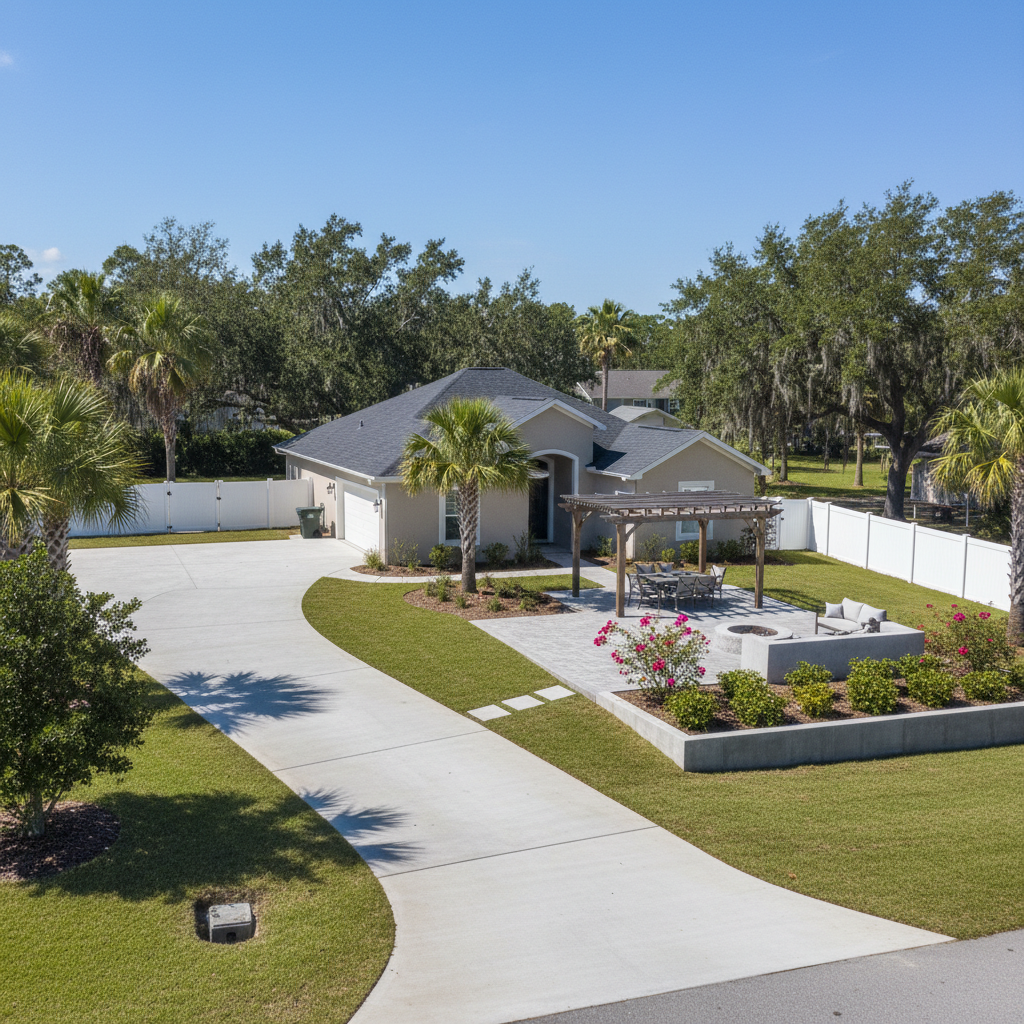
So, you're looking to spruce up your home with some new concrete, maybe a fresh driveway or a nice patio out back. Good call; concrete really does add value and function. But before we get ahead of ourselves, let's talk about planning this project the right way. I've been doing this for over two decades here in Gulfport, and I've seen firsthand what makes a project run smoothly and what turns into a real headache. You want to skip the headaches, don't you?
Setting Your Project Timeline: What to Expect
When folks first ask about a concrete installation, the big question is always, "How long will this take?" It's a fair question, absolutely, but the answer isn't always straightforward. A lot rides on the size and complexity of your particular job, the weather, and even how swamped good contractors happen to be.
- First Chat to Quote: Once you get in touch, a decent contractor should swing by your place within a few days to a week. They'll check out the job and give you a quote. Don't rush this part, by the way. Make sure they really get what you're after.
- Scheduling the Work: This is where you might need a little patience. The best concrete contractors in Gulfport often have a waiting list, especially during our busiest building seasons. So, you could be looking at a few weeks to a couple of months before they can actually start. Don't just pick the contractor who can start tomorrow; quality work takes careful planning.
- The Installation Itself: For a typical driveway or patio, the actual pouring and finishing usually takes just a day or two. But that's not the whole story. There's prep work involved, like digging and setting up forms, which can add another day or two before the concrete even arrives.
- Curing Time: This step is super important and often gets overlooked. Concrete doesn't hit its full strength overnight. You'll need to keep foot traffic off that new concrete for at least 3-7 days, and usually 7-14 days for vehicles. Sometimes it's even longer, depending on the mix and the weather conditions. Seriously, don't try to rush this; it's how your concrete gets strong and lasts.
So, from your initial call until you can fully use your new concrete, you're realistically looking at a timeframe of several weeks to a few months. Best to plan ahead, especially if you have a specific event or deadline in mind.
What to Expect During the Concrete Installation Process
Knowing the steps helps you understand what's happening on your property. Here's a quick run-down:
- Site Preparation: We'll start by clearing the area. That means pulling out old concrete, digging down to the right depth, and making sure the ground slopes correctly for drainage. This is incredibly important, especially with all the heavy rain we get around here. We certainly don't want water pooling against your house or flowing into your neighbor's yard.
- Forming: Next, we'll set up forms, usually made of wood or metal. These create the exact shape and size for your new concrete slab. This is where we define all the edges and lines.
- Base Material: We lay down a layer of gravel or crushed stone and compact it. This gives your concrete a stable, well-draining foundation. It really helps prevent settling and cracking later on.
- Reinforcement: Depending on the project, we'll put down rebar or wire mesh. This adds strength to the concrete, helping it resist cracks from expanding and contracting — a real concern with our temperature swings.
- Pouring and Finishing: The concrete truck rolls up, and we pour the fresh concrete into the forms. Then, the real artistry begins. We'll level it, float it, and trowel it to get that smooth, durable finish you're looking for. If you're getting decorative concrete, this is when we do the stamping or coloring.
- Curing: Once it's finished, the concrete needs to cure properly. We might put on a curing compound or keep it damp. This slows down the drying process, making the concrete stronger and less likely to get surface cracks.
How You Can Prepare for the Project
You've got a role to play too! A little preparation on your end can make things much smoother for everyone.
- Clear the Area: Move any patio furniture, grills, planters, toys, or anything else out of the work zone. If we're working on a driveway, make sure your vehicles are parked somewhere else for the duration.
- Mark Sprinkler Heads/Underground Lines: If you have an irrigation system, underground dog fences, or other hidden lines, mark them clearly. We definitely don't want to accidentally cut into them. If you're not sure, call 811 before any digging starts – it's free, and it's the law.
- Access: Make sure the crew has clear access to the work area. This might mean unlocking gates or moving trash cans.
- Pets and Kids: Keep pets and children away from the work zone. It's a construction site, after all, and there will be heavy equipment, tools, and wet concrete. Safety first!
- Communication: Keep the lines of communication open. If you have questions or concerns before or during the project, talk to your contractor. That's what we're here for.
Key Questions to Ask Before Signing a Contract
Don't just sign on the dotted line. Ask questions. Any good contractor, like us at New Look Concrete Solutions, will be happy to answer them thoroughly.
- Are you licensed and insured? This is non-negotiable. Ask for proof of both. If something goes wrong, you want to know you're protected.
- Can you provide references? Talk to past clients. Go see their work.
- What's included in the price? Get a detailed breakdown. Does it cover digging, base material, reinforcement, the concrete itself, and cleanup? Are there any hidden costs?
- What kind of concrete mix will you use? Different projects need different strengths. For a driveway, you'll want a higher PSI (pounds per square inch) concrete than for a simple walkway.
- How will you handle drainage? Especially here in Gulfport, proper drainage is critical. Ask them to explain their plan to ensure water flows away from your home.
- What's your plan for site cleanup? You don't want to be left with a mess when the job's done.
- What's the payment schedule? A reputable contractor won't ask for 100% upfront. Typically, it's a deposit, progress payments, and a final payment once the job is done and you're happy.
- Do you offer a warranty? What does it cover, and for how long?
By taking the time to plan, prepare, and ask the right questions, you're setting yourself up for a successful concrete project. It will add beauty and value to your Gulfport home for years to come. It’s an investment, so make sure it’s done right.