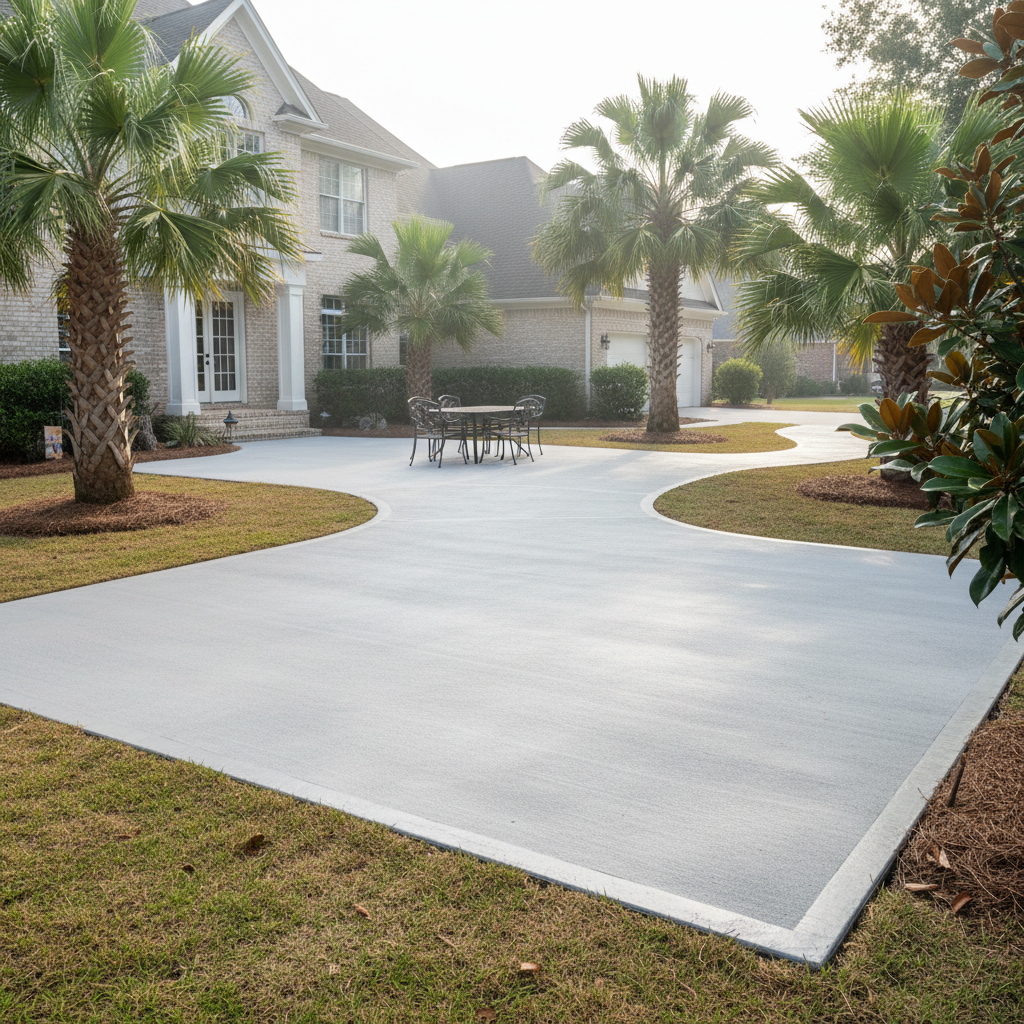
Thinking about a new driveway, patio, or walkway for your Gulfport home? That's awesome! But before you jump in, let's talk about timing. Here on the Mississippi Gulf Coast, our weather isn't just a minor detail; it's a huge factor in how well your concrete cures and how long it lasts. You really can't just pour concrete whenever you feel like it and expect the best results. I've seen too many folks rush into it and end up with problems down the line, and nobody wants that.
When's the Best Time to Pour Concrete in Gulfport?
Honestly, the sweet spot for pouring concrete around here is usually spring or fall. Why? Because you want moderate temperatures. Concrete cures best when it's not too hot and not too cold. Think 50 to 80 degrees Fahrenheit. If it's much hotter, the water in the mix evaporates too fast, which can lead to cracking and a weaker slab. If it's too cold, the curing process slows down dramatically, and you risk freezing, which is a whole other headache.
Spring, from say March to May, often gives us those ideal conditions. The ground temperatures are rising, but we're not yet in the full blast of summer humidity and heat. Fall, usually October and November, is also fantastic. The summer heat has broken, and we're getting those cooler, drier days.
Summer Pours: Can They Be Done?
Yeah, we pour concrete in the summer. We have to, right? But it's trickier, and it takes more planning and extra steps. When the mercury hits the high 90s, and the humidity is thick enough to cut with a knife, that's tough on concrete. The biggest enemy is rapid drying. The concrete can start to set before we've even finished working it, leading to a weaker surface, or what we call 'plastic shrinkage cracking.' It's not a structural issue, but it doesn't look great.
If you absolutely need a summer pour, we have ways to lessen the risks. We might add special chemicals to slow down the set time, or we'll make sure to pour in the early morning hours before the sun really starts beating down. We'll also be extra diligent about curing, which means keeping the concrete moist for longer. It's more labor-intensive, and it's why I often tell folks to plan for spring or fall if they can.
Winter Worries: Cold and Rain
Winter in Gulfport isn't usually brutal, but we do get cold snaps and plenty of rain. Freezing temperatures are a no-go for fresh concrete. Water expands when it freezes, and if that happens inside your concrete before it's gained enough strength, it'll ruin the slab. We're talking spalling, scaling, and a whole lot of damage. Even if it doesn't freeze, cold weather significantly slows down the curing process, meaning it takes much longer for the concrete to reach its full strength.
Rain is another big one. You can't pour concrete in heavy rain. It dilutes the mix, washes away cement, and weakens the final product. Even after the pour, if heavy rain hits an uncured slab, it can pit the surface or cause other cosmetic issues. We watch the forecast like hawks, especially during our rainy season. Sometimes, we have to reschedule, and I know that's frustrating, but it's always better to wait for the right conditions than to pour in bad weather and have problems later.
Protecting Your Investment Year-Round
Once your concrete is in and properly cured, your job isn't quite over. Here's how to keep it looking good and lasting long:
- Seal It Up: This is huge, especially here. A good quality sealer protects your concrete from moisture, oil stains, and UV damage. I recommend sealing new concrete within a month or two of installation and then resealing every 2-5 years, depending on traffic and the type of sealer. It's like sunscreen for your concrete.
- Clean Regularly: Don't let dirt, leaves, and other debris sit on your concrete for too long. They can hold moisture and encourage mildew growth, which is a common sight on concrete around here, especially in shaded areas or places like the Bayou View neighborhood where moisture tends to linger. A simple sweep and occasional pressure wash (on a low setting!) will do wonders.
- Watch for Cracks: Small hairline cracks are normal; concrete shrinks a bit as it cures. But if you see larger, expanding cracks, or areas where the concrete is settling unevenly, give us a call at New Look Concrete Solutions. It might be a sign of a bigger issue that needs professional attention.
- Drainage is Key: Make sure water drains away from your concrete surfaces and your home's foundation. Standing water is bad for everything, including concrete. If you've got puddles forming, that's something to address.
Ultimately, a well-timed pour and a little ongoing care will ensure your concrete investment stands up to our Gulfport climate for years to come. Don't hesitate to reach out if you have questions about your specific project.