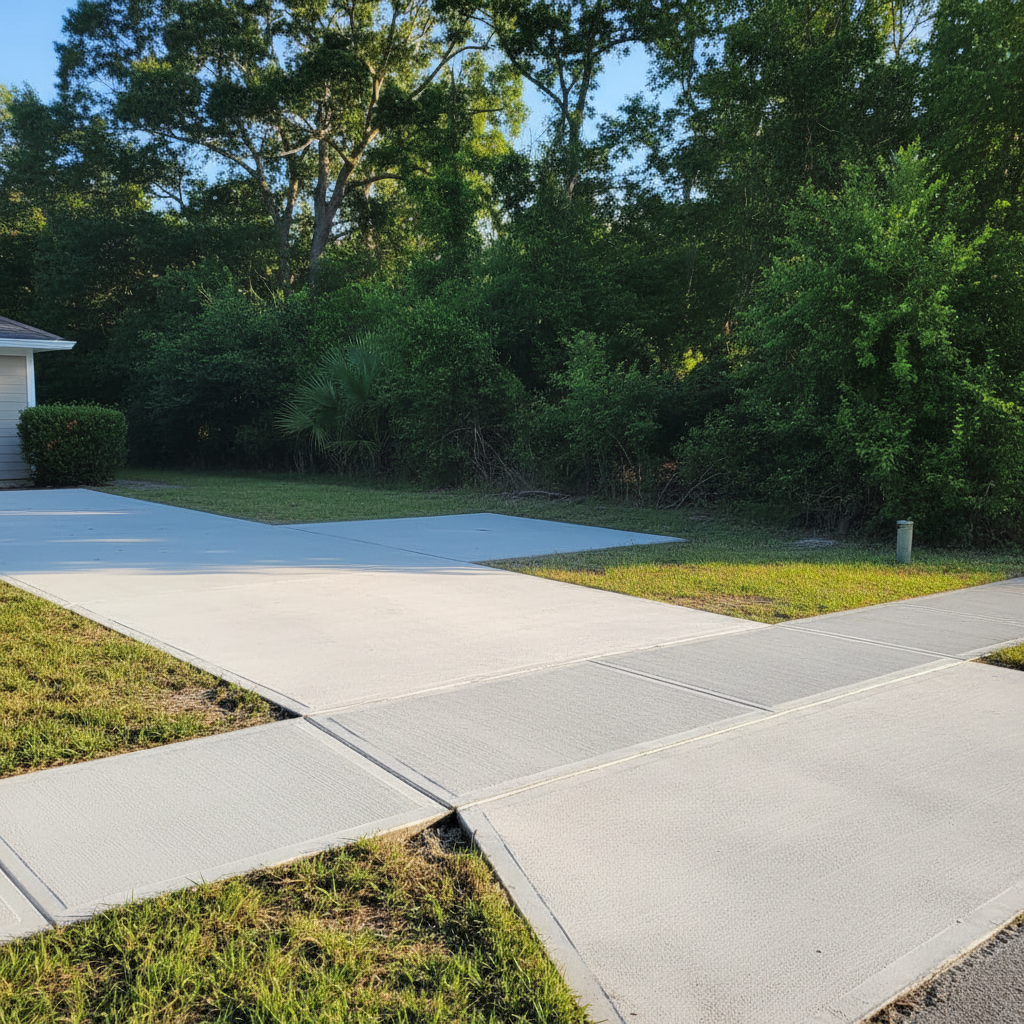
Let's talk about concrete repair costs right here in Gulfport. It's usually the first thing people ask me, and for good reason. Nobody wants to pay more than they have to, but you also don't want to cut corners and end up with a bigger mess later on. I've been doing this for a long time, seen just about everything, so let me give you the real story on what to expect.
What Makes Concrete Repair Cost What It Does?
You'd think fixing a crack is just fixing a crack, wouldn't you? Not really. A bunch of things can push the price up or down. It's not just about how big the repair is, though that's definitely a major factor.
- The Type of Concrete Damage: A simple hairline crack? That's way different from a slab that's sunk two inches because of bad soil compaction or erosion under your driveway. Spalling, crumbling edges, really bad cracking – each needs a different approach, and some take a lot more work. If we're talking about structural damage to a foundation slab, well, that's a whole different ballgame compared to a patio crack.
- Size and Depth of the Repair: This one's pretty obvious. A small patch job on a sidewalk square will cost less than fixing a huge section of a commercial parking lot. But it's not just the surface area; if we have to dig deep to deal with a void underneath, that adds to the cost.
- Accessibility: Can we get our equipment right up to the repair site? Or do we have to hand-carry materials through a narrow gate, past your prize-winning azaleas, and all the way to a backyard patio? Easy access saves time and labor, which, in turn, saves you money. Tight spots or areas where we need to be extra careful around landscaping will cost more.
- Materials Used: For minor surface cracks, we might use a simple epoxy or a polymer-based filler. For bigger structural problems, we might need to inject polyurethane foam for slab jacking, or even pour whole new concrete sections. Each material has its own price tag.
- Prep Work Required: Sometimes, the area needs a lot of cleaning, grinding, or even demolition of old, failing concrete before we can even start the actual repair. That's labor and disposal costs right there.
- Underlying Issues: This is a big one, especially here in Gulfport, where we deal with sandy, sometimes unstable soil and heavy rain. If your concrete is cracking because the ground underneath is washing away, we can fix the concrete all day long, but it'll just crack again. We'd have to address the drainage or soil stability first, and that's an extra cost.
Typical Cost Ranges You Might See
Alright, let's get to some actual numbers. Again, these are just ranges, and your specific project might fall outside them, but they should give you a decent idea.
- Small Crack Repair (Hairline to 1/4 inch wide, a few feet long): For something like a few minor cracks in a patio or sidewalk, you're probably looking at $200 - $500. This usually just means filling and sealing.
- Medium Crack Repair (Wider cracks, spalling, small sections): If you've got wider cracks (1/4 inch to 1 inch), or some spalling on the edges of a driveway, or maybe a small section of a sidewalk that needs patching, you might be in the $500 - $1,500 range. This often involves more extensive prep and better quality repair materials.
- Slab Jacking / Concrete Leveling (Mudjacking or Polyjacking): This is for sunken slabs – driveways, patios, pool decks. Instead of tearing it out, we inject material underneath to lift it. For a typical two-car driveway section (say, 100-200 sq ft) that's sunk a few inches, you could be looking at $1,500 - $4,000. It's usually much cheaper than full replacement, believe it or not.
- Full Section Replacement (Small Areas): If a section of your sidewalk or a small part of your driveway is just too far gone – crumbling, severely spalled, or heavily damaged – and needs to be completely removed and repoured, for a 4x4 or 5x5 foot section, you're probably looking at $700 - $1,500. This includes demolition, hauling, new material, and labor.
Remember, these are starting points. A big, complex job will obviously cost more. For example, if you have a large, heavily trafficked commercial parking lot with multiple sunken areas and severe cracking, that's going to be a much larger investment.
What Should a Good Quote Include?
When I give you a quote from New Look Concrete Solutions, I make sure it's clear. You should expect the same from anyone you get a bid from.
- Detailed Scope of Work: Exactly what areas are being repaired? What kind of damage is getting fixed? What method will they use (e.g., crack filling, slab jacking, patch and repair)?
- Materials Specification: What kind of filler, sealant, or concrete mix will they use?
- Preparation Steps: Will they clean the area? Grind it? Remove old concrete?
- Cleanup and Disposal: Who's responsible for hauling away debris? You certainly don't want to be stuck with a pile of old concrete.
- Timeline: When will they start? How long will it take?
- Warranty Information: What kind of guarantee do they offer on their work?
- Total Cost: Obviously, the final price, with no hidden fees.
How to Avoid Overpaying for Concrete Repair
Nobody likes feeling ripped off. Here's how you can protect your wallet and still get a good job done.
- Get Multiple Quotes: This is basic, but so important. Don't just go with the first guy who shows up. Get at least three detailed quotes. It helps you compare not just the price, but also the proposed solutions.
- Ask Questions: If something in the quote isn't clear, ask. A good contractor will be happy to explain their process and materials. If they get dodgy, that's a big red flag.
- Check References and Reviews: See what other folks in Gulfport are saying about them. Google reviews, local Facebook groups – these are great resources.
- Don't Automatically Go for the Lowest Bid: The cheapest option isn't always the best. Sometimes a slightly higher bid means better materials, more experienced labor, or a more thorough repair that will last longer. You're paying for quality, after all.
- Understand the Problem: Ask the contractor to explain *why* the concrete failed. If they can't give you a good explanation, or they just want to patch it without addressing the root cause, you'll be calling someone again soon.
Look, repairing concrete is an investment in your home or business. Do your homework, ask the right questions, and you'll get a fair price for a job that lasts. That's what we aim for every time at New Look Concrete Solutions.