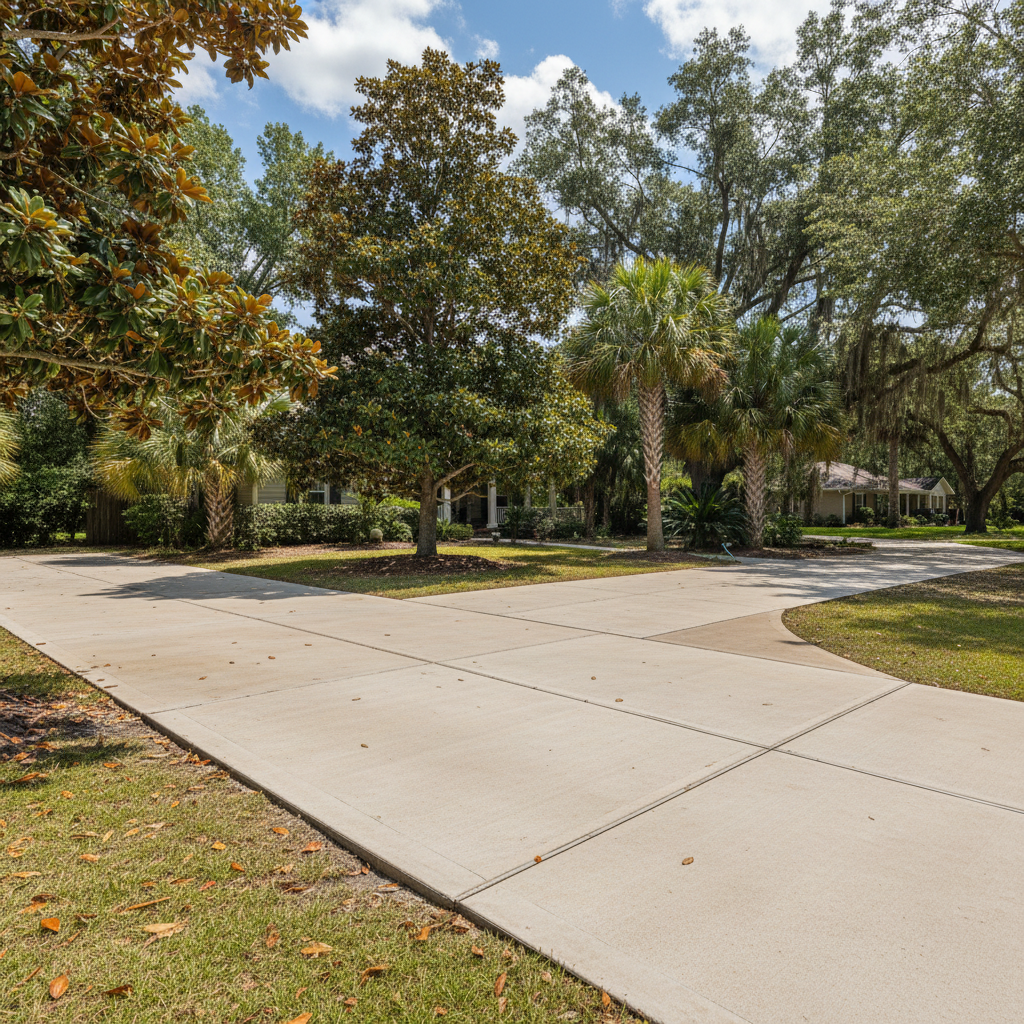
Alright, let's talk concrete repair here in Gulfport. I've been doing this a long time, and I've seen homeowners make the same mistakes over and over again when they're trying to get their driveways, patios, or foundations fixed up. It's usually not malicious; folks just don't know what they don't know. But those little missteps can turn a simple repair into a real nightmare. So, I want to lay out some of the biggest blunders I see, so you can steer clear of them.
Mistake #1: Ignoring the 'Why' Behind the Crack
You see a crack, you want it fixed. Simple, right? Not always. One of the biggest mistakes I see is homeowners rushing to patch a crack without understanding why it appeared in the first place. Is it just normal wear and tear? Or is it something more serious, like poor drainage, tree roots, or even soil settlement? Here in Gulfport, with our sandy soil and heavy rains, foundation issues or shifting ground are real possibilities. If you just fill a crack that's caused by an underlying problem, that crack is going to come right back, probably worse than before. You'll have wasted your money and time. Always ask your contractor to assess the root cause, not just the symptom.
Mistake #2: Going for the Cheapest Bid Without Asking Questions
I get it, everyone wants a good deal. But when it comes to concrete repair, the cheapest bid often ends up being the most expensive in the long run. I've seen folks get lured in by a rock-bottom price, only to find out the contractor used sub-par materials, didn't prepare the site properly, or just vanished halfway through the job. You've got to ask questions. What kind of materials are they using? Do they have insurance? How long have they been in business? Can they provide references? If a quote seems too good to be true, it probably is. A reputable company like New Look Concrete Solutions might not always be the absolute cheapest, but we're going to do the job right, the first time.
Mistake #3: Not Understanding the Repair Method
There are different ways to fix concrete, depending on the damage. You've got everything from simple crack filling to mudjacking (or slab jacking) to full slab replacement. Sometimes, a homeowner will ask for a specific fix, like just patching a big dip, when what they really need is something more substantial, like lifting the slab back into place. Or they'll agree to a repair without really understanding what the contractor is proposing. Don't be afraid to ask for explanations in plain English. What's the process? What materials will be used? How long will it take? What's the expected lifespan of the repair? You're paying for this, so you have every right to know exactly what you're getting.
Mistake #4: Skipping the Contract or Not Reading It Carefully
This one's a classic. A handshake deal or a quick email quote just isn't enough for a concrete repair project. You need a written contract, and you need to read every single line of it. What's included in the price? What's excluded? What are the payment terms? What's the timeline? What kind of warranty, if any, is offered? What happens if there are unforeseen issues? I've seen homeowners get burned because they assumed something was included, only to find out it was an extra charge. Protect yourself; get everything in writing and make sure you understand it before you sign on the dotted line.
Mistake #5: Expecting Perfection from a Repair
Look, concrete repair is just that — a repair. Especially with older concrete, you're not always going to get a perfectly seamless, invisible fix. Sometimes, you'll still see evidence of the repair, like a slight color difference or a visible patch line. The goal is to restore structural integrity, improve safety, and extend the life of your concrete, not necessarily to make it look brand new again unless you're replacing the whole thing. If you're expecting a flawless, brand-new look from a repair job, you might be setting yourself up for disappointment. A good contractor will manage your expectations upfront about what the finished repair will look like.
So, before you jump into that concrete repair project, take a breath. Do your homework, ask the tough questions, and make sure you're working with someone who knows what they're doing and communicates clearly. It'll save you a lot of grief down the road.