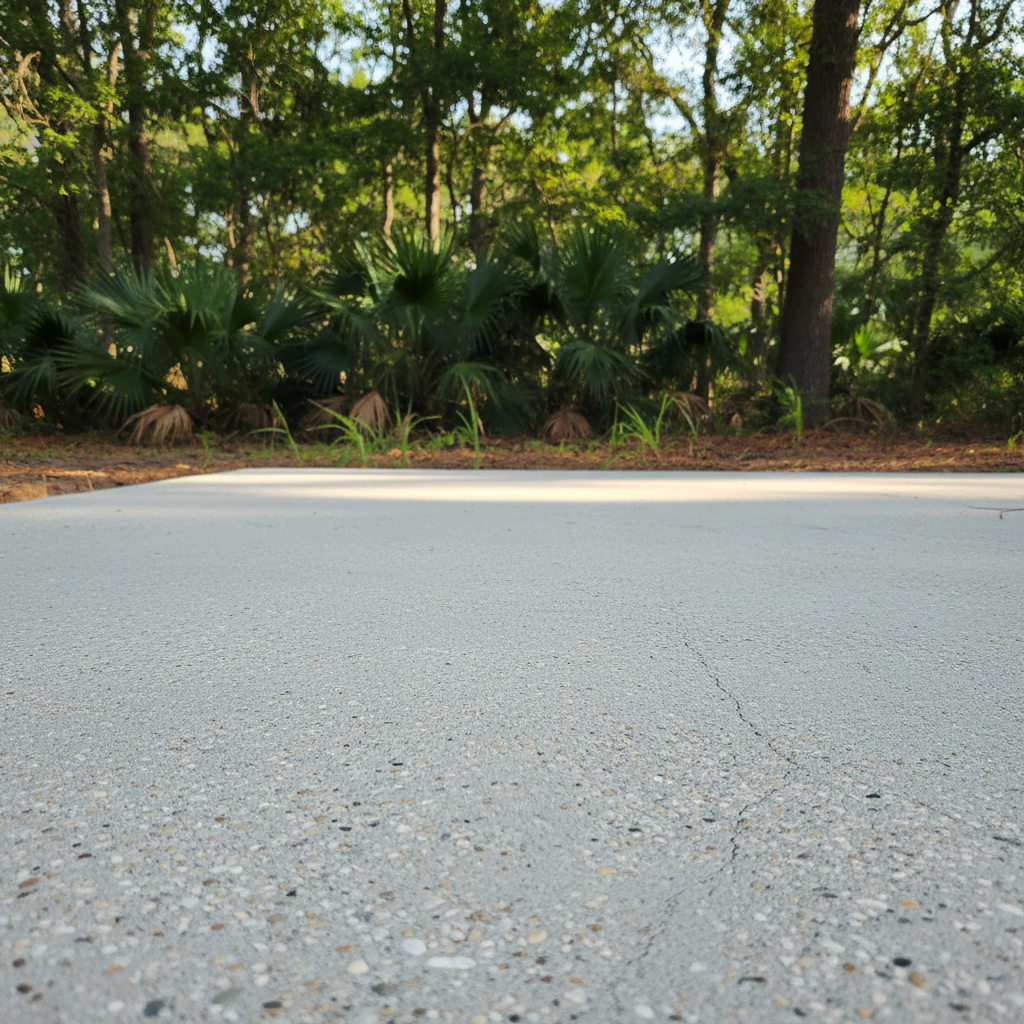
So, you're thinking about putting in a concrete foundation. Maybe it's for a new shed, a home addition, or you're even building a new place from the ground up. That's a big project, and it's one where getting it right the first time saves you a ton of headaches and cash down the road. Let's talk about what you need to know, from the planning stages right through to when the concrete's cured.
Before You Dig: Planning Your Foundation
First off, you need a plan. And I mean a real plan, not just a sketch on a napkin. What's this foundation for? How big will it be? What kind of weight is it going to support? These aren't just academic questions; they dictate everything from the thickness of your slab to the type of rebar you'll need.
For anything more than a small, non-load-bearing shed, you're going to need permits. Seriously, don't skip this. Gulfport's building department has specific codes for foundations, especially with our sandy, often water-logged soil conditions near the coast. They're looking out for things like proper drainage and structural integrity, which are critical when you're dealing with hurricane season and heavy rains. A professional will handle this for you, but if you're going DIY on a small project, you'll be the one navigating the paperwork.
Site preparation is huge. You can't just pour concrete over grass and call it a day. You'll need to clear the area, remove any organic material, and then compact the soil. If your site isn't level, you'll need to excavate and fill. For smaller pads, you might be able to rent some equipment and do this yourself, but for larger projects, or if you hit unexpected roots or old debris, calling in an excavator is usually the smarter move. You'll also need to think about drainage. You don't want water pooling around your new foundation, do you?
During the Pour: The Nitty-Gritty Details
Once your site is prepped and inspected (if required), it's time for forming. This is where you build the temporary walls that hold the wet concrete in place until it sets. For a simple slab, you might use 2x4s or 2x6s. Make sure they're sturdy, level, and properly braced. Nothing's worse than a form blowing out mid-pour, trust me.
Reinforcement is non-negotiable for most foundations. We're talking rebar or wire mesh. This helps the concrete resist cracking due to expansion and contraction, and it adds tensile strength. For a simple shed pad, mesh might be enough. For a house foundation, you'll be using rebar, often tied together in a grid pattern. This isn't a place to cut corners. The amount and type of reinforcement depend on the slab's purpose and local building codes.
Now, the pour itself. This is where most homeowners hit their limit. Concrete isn't like mixing a bag of quick-set for a fence post. You're dealing with a lot of material that sets fast. You need to order the right amount, have enough hands on deck, and know how to screed, float, and finish it properly. If you're pouring anything over a few cubic yards, you're going to want to hire a concrete contractor. They've got the equipment, the crew, and the experience to get it done right and on time. We've seen plenty of DIY pours go sideways because folks underestimated the speed and skill required.
If you're doing a small slab yourself, make sure you have all your tools ready: screed board, bull float, hand floats, edgers, groovers. And work fast but methodically. Don't let it get away from you.
After the Pour: Curing and Care
Once the concrete is down and finished, the work isn't over. Curing is just as important as the pour itself. Concrete needs to cure slowly to reach its maximum strength and durability. This means keeping it moist for at least 7 days, sometimes longer depending on the mix and the weather. You can do this by regularly misting it with water, covering it with plastic sheeting, or using a curing compound. In Gulfport's heat and humidity, you might think it'll stay wet, but direct sun can dry it out too quickly, leading to surface cracks.
Don't put heavy loads on your new foundation too soon. Give it time to gain strength. Most concrete reaches about 70% of its strength in 7 days, but it continues to strengthen for weeks. Your contractor, like us at New Look Concrete Solutions, will give you specific guidance on when it's safe to build on or place heavy items.
Inspect your foundation periodically. Look for any cracks that develop. Small hairline cracks are often normal, but larger, wider, or actively growing cracks could indicate a problem and should be looked at by a professional. Proper drainage around your foundation is key to preventing future issues. Make sure water flows away from the structure, not towards it.
So, can you do a foundation yourself? For a small, non-critical shed pad, maybe. But for anything that's going to support a structure or take significant weight, you're almost always better off bringing in the pros. It's an investment in your property's future, and getting it wrong can be incredibly costly to fix.