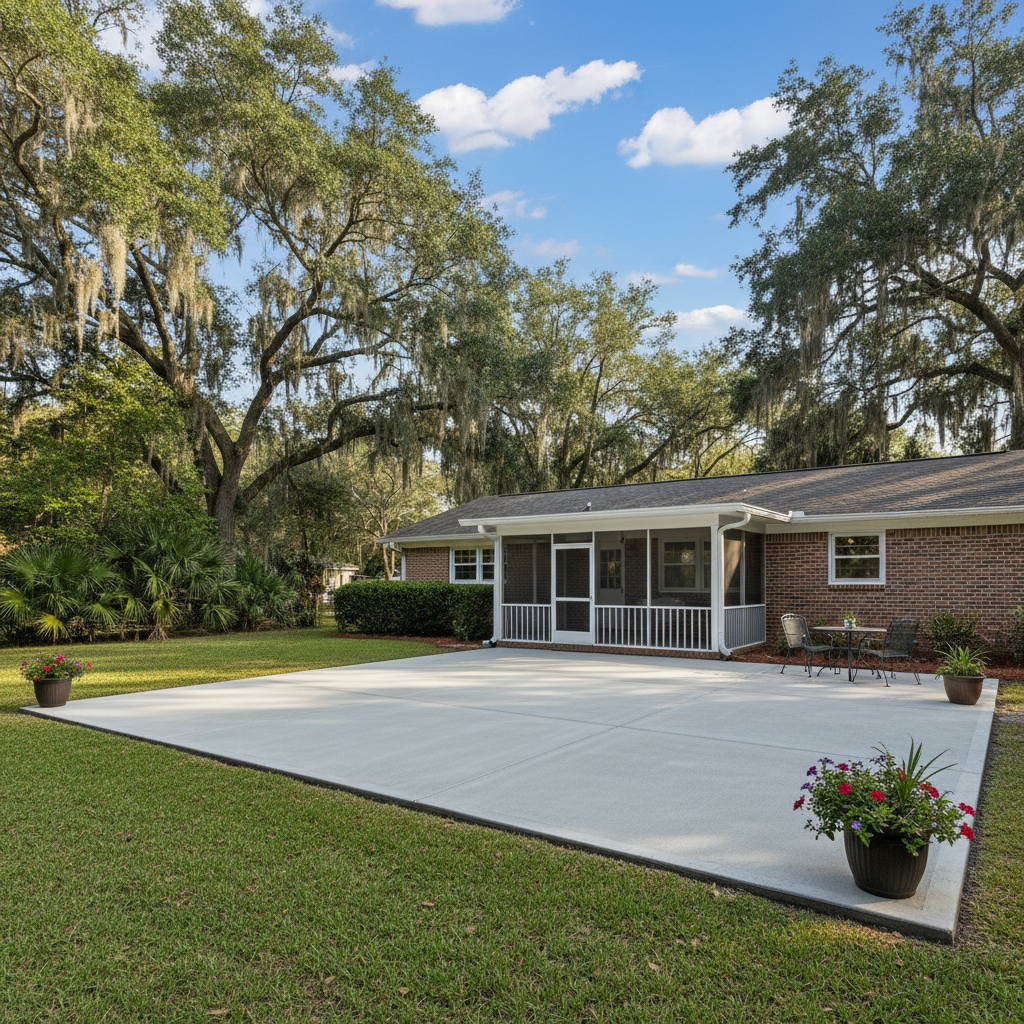
Alright, let's talk concrete here in Gulfport. You've probably seen it, maybe even dealt with it — cracks, spalling, a general worn-out look on driveways, patios, and sidewalks. A lot of folks think concrete is just concrete, but down here on the Coast, our weather throws some real curveballs at it. Knowing when to pour and how to care for your flatwork can make a huge difference in how long it lasts and how good it looks.
Timing Your Concrete Projects Right
This is probably the biggest thing I try to tell homeowners. You wouldn't want to shingle a roof in a hurricane, right? Same goes for concrete. Our climate dictates a lot about when we can get good, lasting results. The ideal conditions for pouring concrete are usually when temperatures are between 50 and 80 degrees Fahrenheit. That's not always easy to find here, is it?
- Spring (March-May): This is often our sweet spot. The temperatures are usually mild, and while we get our share of spring showers, we can often work around them. The ground isn't super-saturated, and the humidity isn't through the roof yet. If you're thinking about a new patio or driveway, spring is generally the best time to plan for it.
- Summer (June-August): This is where it gets tricky. The heat and humidity are brutal. When it's 95 degrees with 90% humidity, concrete cures way too fast. It can dry out on the surface before it's fully hardened underneath, leading to surface cracking, dusting, and a weaker slab. We can still pour, but it requires extra precautions like adding retardants to the mix, using curing compounds immediately, and sometimes even working at odd hours to avoid the peak heat. It's not impossible, but it's definitely not ideal for a fresh pour.
- Fall (September-November): Another good window, especially as we get into late September and October. The summer heat starts to back off, and we often get some beautiful, drier days. This is a great time to tackle those projects you put off during the summer.
- Winter (December-February): Usually pretty good for concrete work, as long as we're not dealing with a cold snap or a lot of rain. Our winters are generally mild enough that freezing temperatures aren't a constant concern, but a sudden drop below 40 degrees can slow curing significantly or even damage fresh concrete if it freezes. We'll always keep an eye on the forecast for those unexpected cold fronts that sometimes roll through.
Humidity and Rain: Our Constant Companions
You know how it is here in Gulfport – one minute it's sunny, the next it's pouring. And the humidity? It's a way of life. This affects concrete in a few ways.
For one, too much rain during or immediately after a pour can wash away the cement paste, weakening the surface and potentially leading to scaling. That's why we're always checking the radar and have tarps ready to go if there's a chance of rain. On the flip side, high humidity can actually be a good thing for curing, as it keeps the concrete from drying out too quickly. But if it's combined with high heat, it can still cause issues.
Another thing to consider is our soil. Around areas like Saucier or even closer to the beach, we've got a mix of sandy and clay soils. Poor drainage can lead to moisture building up under slabs, and if that moisture freezes (rare, but it happens), it can cause heaving. Good site prep and proper drainage are key, no matter the season.
Protecting Your Investment Year-Round
Once your concrete is down, you want it to last. Here's what I recommend:
- Curing, Curing, Curing: This happens right after the pour, but it's so important. It's about keeping the concrete moist so it gains maximum strength. We use curing compounds, but for homeowners, if you've got a new slab, keeping it damp for the first 7 days (spraying it with water a few times a day) can make a huge difference.
- Seal It Up: This is probably the best thing you can do for long-term protection, especially here. A good quality penetrating sealer applied a month or two after the pour, and then every 2-5 years, will protect your concrete from moisture, oil stains, and even some of that salt spray if you're closer to the water. It helps prevent spalling and keeps it looking newer longer. New Look Concrete Solutions always recommends sealing for our clients.
- Clean Regularly: Don't let dirt, leaves, or mildew sit on your concrete for too long. A simple sweep and occasional pressure wash (on a low setting, don't blast it) will keep it looking good and prevent organic growth from staining or breaking down the surface.
- Watch for Cracks: All concrete cracks eventually; it's just a fact of life. But if you see small cracks forming, especially in high-traffic areas, consider having them sealed. It prevents water from getting in and making the problem worse.
Look, taking care of your concrete isn't rocket science, but it does require a little thought, especially with our unique Gulfport climate. A little proactive care goes a long way in keeping your driveways and patios looking great for years to come.