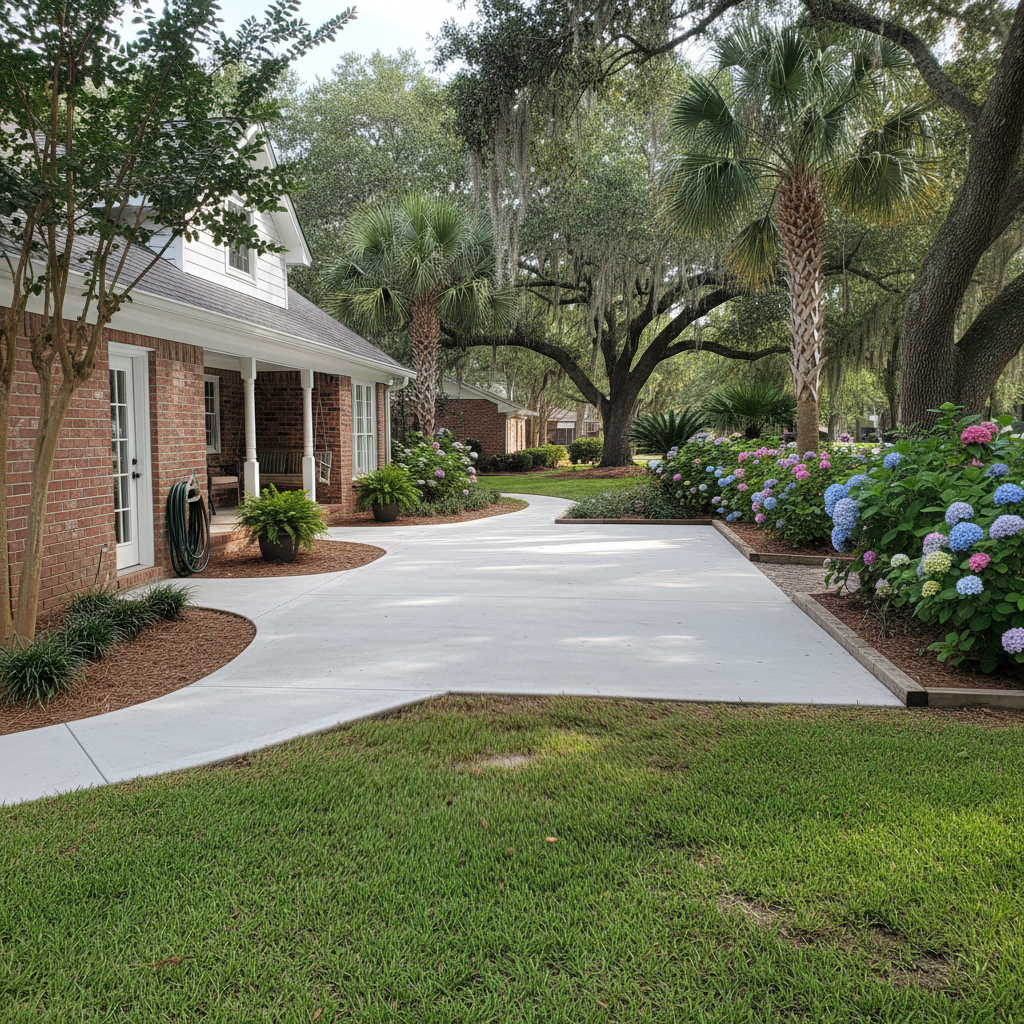
You're thinking about a new patio, driveway, or maybe just repairing some cracked concrete around your place here in Gulfport. That's great! But before you jump in, let's talk about something really important for us down here on the Coast: the weather. It's not just about getting the job done; it's about getting it done right, so it lasts.
When's the Best Time to Pour Concrete in Gulfport?
This is probably the most common question I get, and for good reason. Our climate isn't exactly forgiving. Generally, the sweet spot for pouring concrete in Gulfport is during the cooler, drier months. That means late fall, winter, and early spring are usually ideal. Think October through April.
Why? Well, concrete cures best when it's not too hot and not too cold, and when it's not getting hammered by torrential rain right after it's poured. When temperatures are consistently in the 50s, 60s, and 70s, the concrete can cure slowly and evenly. This leads to stronger, more durable flatwork with fewer issues like cracking or surface scaling. If you're looking at a big project, say a new driveway for your home in the Bayou View area, planning it for these months makes a huge difference in the long-term quality.
Summer? It's tough. Our summers are brutal. High temperatures, high humidity, and pop-up thunderstorms make it a real challenge. Concrete can set too fast in the heat, which can lead to rapid drying shrinkage and cracking. Plus, working in that kind of heat is just plain hard on the crew, and it makes it harder to get that perfect finish. We can do it, sure, but it requires a lot more planning, special admixtures, and careful timing.
Weather Conditions That Mess With Concrete Work
Beyond just the season, specific weather conditions can really throw a wrench into a concrete project. You've got to be aware of these if you want a good outcome:
- Heavy Rain: This is a big one. You absolutely cannot pour concrete into standing water or have it get washed out by heavy rain right after it's placed. It dilutes the mix, weakens the concrete, and can ruin the surface finish. We're always watching the forecast like a hawk.
- Extreme Heat: Like I mentioned, high temperatures (anything consistently above 90°F) speed up the setting time too much. This makes it hard to finish properly and increases the risk of plastic shrinkage cracks. We might use retarders or pour super early in the morning to combat this.
- Strong Winds: Believe it or not, wind can be a problem. It accelerates surface drying, especially on hot days, which can also lead to cracking. Sometimes we'll put up temporary windbreaks if we're working on a really exposed area.
- Freezing Temperatures: While not as common here as up north, we do get cold snaps. Concrete needs to be protected from freezing for at least the first 24-48 hours after it's poured. If water in the concrete freezes, it expands and can seriously damage the fresh concrete.
That's why a good contractor, like us at New Look Concrete Solutions, is always checking the forecast and planning around these conditions. Sometimes, it means rescheduling, and while that can be frustrating, it's always better than doing a bad job that won't last.
Protecting Your Concrete Investment Year-Round
So, you've got your beautiful new concrete. Now what? You want it to stay that way, right? Here's how to protect it, especially with our Gulfport weather:
- Seal It: This is probably the most important thing you can do. A good quality sealer protects your concrete from moisture penetration, oil stains, UV damage, and even helps prevent surface erosion from our frequent rains. I recommend sealing new concrete within the first year and then resealing every 2-3 years, depending on traffic and exposure. It's like sunscreen for your concrete.
- Clean It Regularly: Don't let dirt, leaves, and other debris sit on your concrete for too long. They can trap moisture and promote mold or mildew growth, which isn't just unsightly but can degrade the surface over time. A simple sweep and occasional pressure wash (on a low setting, don't blast it!) will do wonders.
- Address Stains Quickly: Oil spills, rust, or anything else that can stain should be cleaned up as soon as possible. The longer they sit, the harder they are to remove.
- Watch for Cracks: Small cracks can happen, even in well-poured concrete. It's usually not a structural issue, but if you see them, especially if they're growing, it's worth getting them looked at. Sealing minor cracks can prevent water from getting in and causing bigger problems down the line.
Taking a little bit of care goes a long way in extending the life and look of your concrete. We're here to help you get it right from the start, and keep it looking good for years to come.